
Rebuilding Social Connections in Dublin and Beyond
Reconnect with friends, join communities, and build meaningful relationships after 45
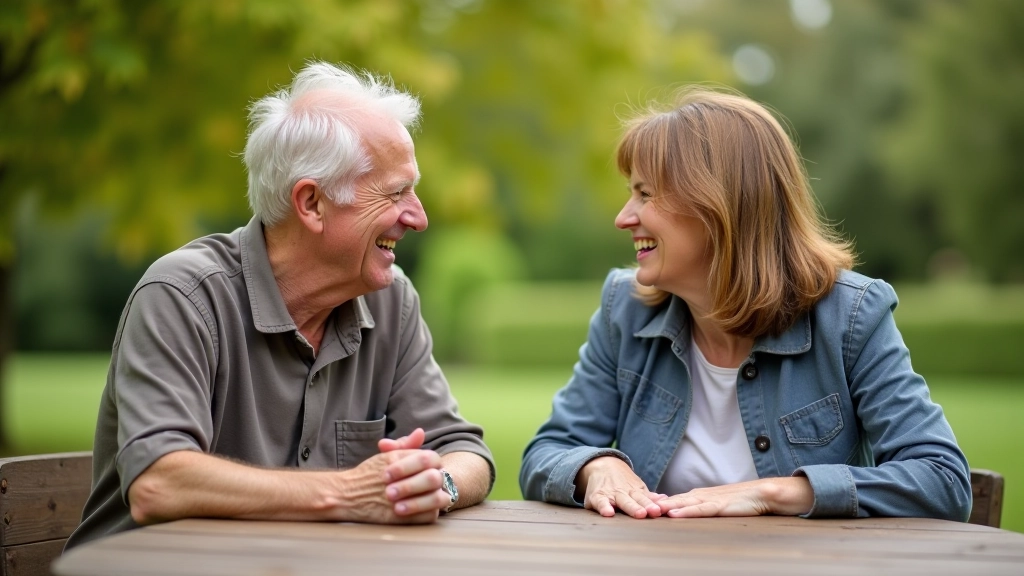
After 45, life changes. Kids move out, careers shift, friendships drift. Maybe you've relocated to Dublin or moved further out, and you're realizing your old social circles don't feel as tight anymore. That's more common than you'd think — and it's absolutely fixable.
The good news? You're not starting from zero. You've got decades of life experience, clearer values about who you want to spend time with, and honestly, better conversation skills than you had at 25. We'll walk through practical ways to rebuild your social life, whether you're in the city center or beyond, whether you're shy about it or ready to dive in.
Why Friendships Change After 45
It's not you. Life just shifts. Your friends who had kids might've gotten absorbed in school runs and sports clubs. Others moved for work. Some friendships simply ran their course — you had fun at 35, but you don't have much in common now.
There's also the reality that maintaining friendships takes deliberate effort. At 20, you saw friends because you lived in the same student halls. At 45, you've got to actually plan it. That's not failure — that's just how life works.
The silver lining? You're more intentional now. You're not collecting friends to impress people. You want genuine connections with people who actually interest you. That's powerful.

Where to Actually Meet People
Dublin and surrounding areas are full of opportunities. You don't need apps or forced networking. Real connections happen when you're doing something you actually care about.
Community Groups & Volunteering
Volunteer at a local food bank, community garden, or literacy program. You're helping people while meeting others who care about similar things. It's structured, so you don't have to awkwardly "hang out" — you're working toward something together. That's how friendships naturally form.
Classes & Workshops
Art classes, language courses, fitness groups. You'll see the same people weekly. You've got a natural conversation starter (the class itself). And you're building a skill, so it's not just about socializing — there's actual purpose.
Interest-Based Clubs
Book clubs, hiking groups, running clubs, photography societies. Look on Meetup or local Dublin community boards. You're guaranteed to find people who share at least one thing with you.
About This Article
This article provides educational information and general guidance on rebuilding social connections. Everyone's situation is unique — circumstances, preferences, and available resources vary widely. If you're struggling with loneliness or social anxiety, consider speaking with a counselor or therapist who can provide personalized support. This information isn't a substitute for professional advice.
Reaching Out to Old Friends
You've got a friend from your 30s you haven't seen in three years. You want to reconnect but feel awkward. Here's the thing — they probably feel the same way. And they'll likely be relieved when you reach out.
The trick is to keep it simple. "Haven't heard from you in ages. I was thinking about [specific memory] the other day. Would love to grab a coffee when you've got time." That's it. Not a huge commitment. Not pretending nothing's changed. Just genuine.
Some friendships won't pick back up — and that's okay. But some will. And you might discover you actually like them more now than you did before. You're both different people. Sometimes that works out better.


Building New Friendships (Yes, It's Possible)
New friendships at 45+ do form differently than at 25. You're not bonding over dorm room late-night talks. You're bonding over shared interests, values, and life stage.
Here's what actually works: consistency plus vulnerability. You see the same person at your Tuesday evening painting class for six weeks. Then you grab a coffee after. You mention something real — not complaining, but genuine. "I've been thinking about what I want my life to look like now that the kids are older." That opens the door.
Friendships don't have to be intense from day one. Some of the best adult friendships are built slowly. You text occasionally. You see each other every few weeks. It grows naturally. And honestly, that's often more sustainable than friendships built on shared emergency or crisis.
One practical thing: don't put all your friendship eggs in one basket. Build 3-4 different social connections rather than relying on one best friend. That way, if someone gets busy or moves, your entire social life doesn't collapse.
Starting Today
Rebuilding your social life after 45 isn't about becoming someone you're not or forcing friendships. It's about being intentional. Pick one thing from this article that appeals to you — whether it's researching a volunteer opportunity in your area, texting an old friend, or finding a class you've been curious about.
Dublin and the surrounding regions have communities for everything. You're not short on options. You just need to show up consistently and be willing to be a bit vulnerable.
And here's what nobody talks about: once you rebuild your social connections, you often feel like you've got your life back. Not because you're dependent on friends for happiness, but because humans are social creatures. Genuine connection matters. It affects your energy, your health, your sense of belonging.
You've got this. Start small. Show up. Be consistent. The rest builds from there.

Síle O'Donovan
Senior Wellness & Life Transitions Editor
Certified life coach and counselor with 14 years helping Irish adults over 45 navigate life transitions with confidence and purpose.
Related Articles
Continue exploring life transitions and well-being

Managing Anxiety During Life Transitions
Practical techniques to steady yourself when everything feels uncertain.

Finding Purpose and Meaning After 45
Discover what matters to you now and build a life around it.

Shifting Your Mindset About Getting Older
Reframe aging as an opportunity rather than a loss.